
Posterior cruciate ligament (PCL) injury
Table of content
A posterior cruciate ligament injury in the knee (PCL injury) is relatively uncommon but serious. It often occurs from significant trauma to the bent knee, such as from falls, traffic accidents, or contact sports. The injury can be mild and self-healing, but in more severe cases, it requires proper rehabilitation or surgery to restore knee stability.
Symptoms of posterior cruciate ligament injury
Typical symptoms often observed are:
- Knee pain, sometimes with swelling and a warm sensation
- A dull feeling of instability – as if the knee is about to give way
- Stiffness and difficulty bending or bearing weight on the leg
- Muscle cramps or tenderness around the knee joint
- Reduced range of motion in the knee
These symptoms are often somewhat milder than with an anterior cruciate ligament injury, but instability and pain can persist for a longer period.
Causes and injury mechanisms
Posterior cruciate ligament injuries often result from trauma. Common causes include a blow to the bent knee – for example, in a car accident where the knee hits the dashboard, a forward fall with a bent knee, or during sports situations involving significant force or hyperextension. These injuries often also cause bleeding inside the knee joint and subsequent swelling (hemarthrosis), which can make the knee stiff.
Diagnosis
To diagnose a posterior cruciate ligament injury, a clinical examination and stability tests are performed, including the posterior drawer test and the posterior sag test. If necessary, the diagnosis is supplemented with imaging methods such as magnetic resonance imaging (MRI) or plain X-rays to rule out other co-existing injuries. It is important to assess whether the injury is isolated or combined with other structures, such as menisci or collateral ligaments, as this affects the treatment.
Grading of posterior cruciate ligament injury (PCL)
To better understand the extent of the injury, posterior cruciate ligament injuries are divided into three grades:
- Grade 1: Minor injury to the cruciate ligament, with pain but no functional impairment or instability in the knee joint.
- Grade 2: Partial tear of the cruciate ligament, leading to instability in the knee joint.
- Grade 3: Complete rupture of the cruciate ligament, resulting in significant functional impairment and instability.
Treatment and rehabilitation
Initial treatment
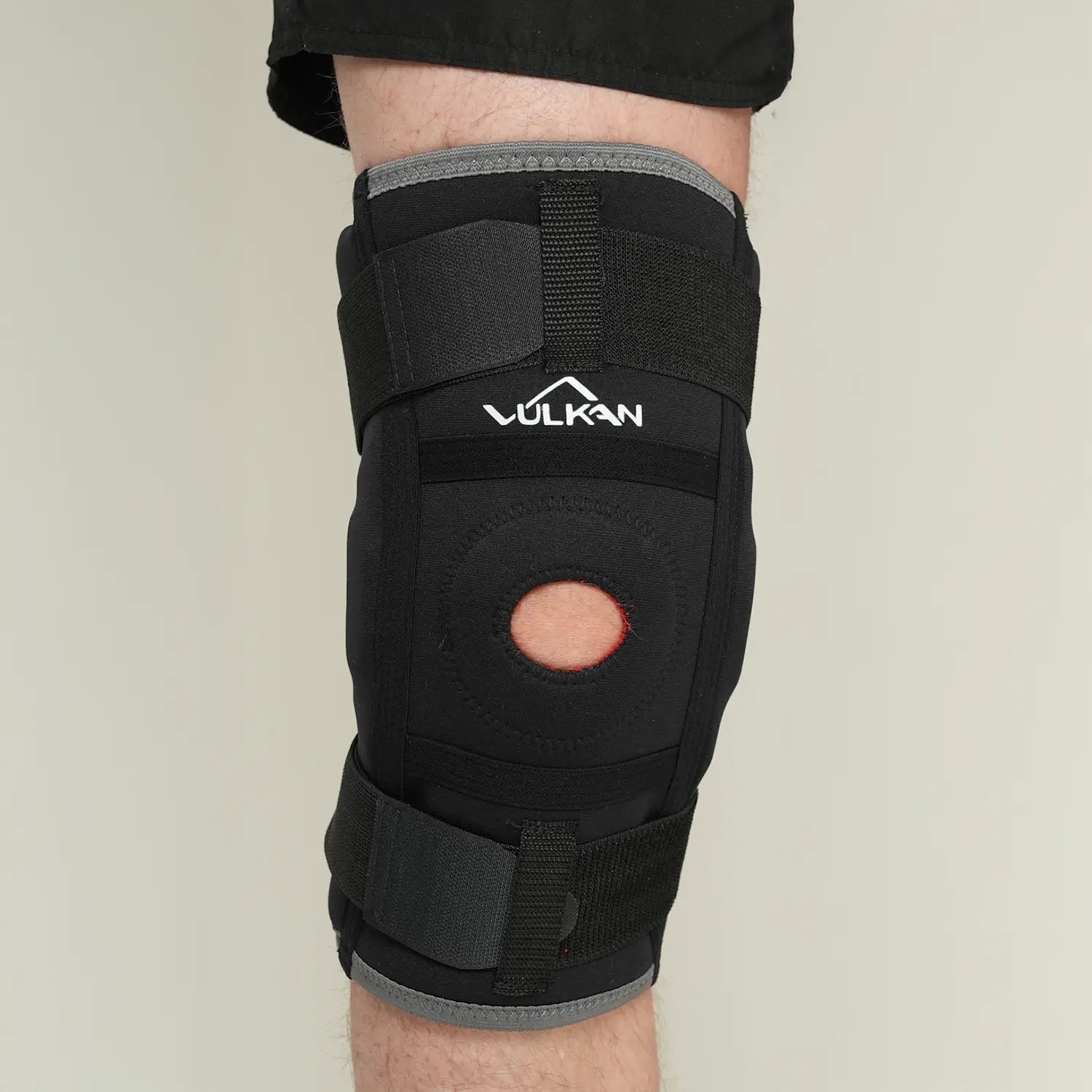
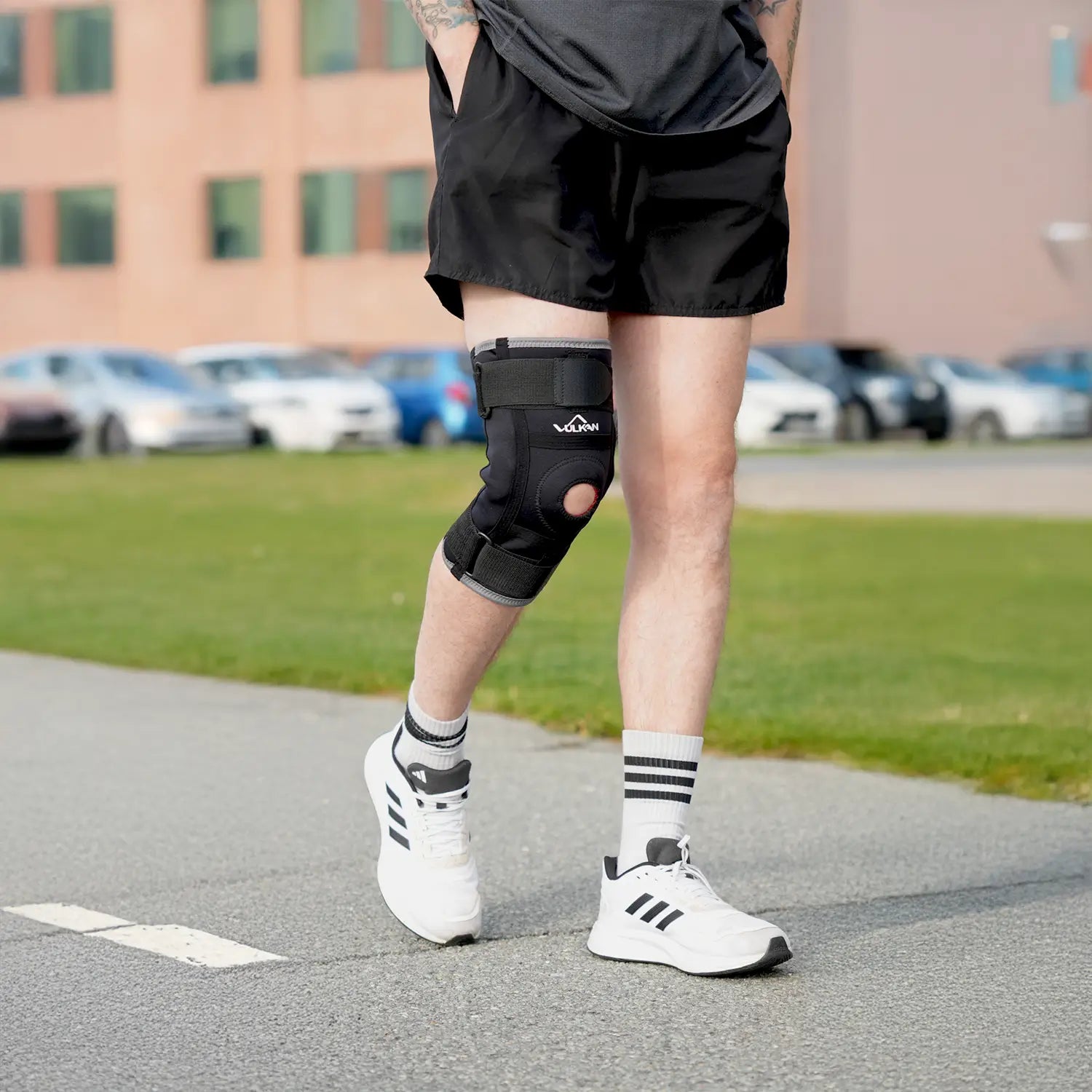
Many isolated PCL injuries are treated non-surgically. The RICE principle (Rest, Ice, Compression, and Elevation) is the first step. Afterwards, a brace is often used to hold the knee in the correct position during the healing phase, usually 2–3 months. Simultaneously, physiotherapy begins with exercises that strengthen the thigh and gluteal muscles and improve knee stability.
Surgical treatment
If the injury is severe, if multiple structures are involved, or if the knee remains unstable after rehabilitation, surgery may be necessary. The cruciate ligament is usually reconstructed with a graft, often from the hamstring or a donor. After surgery, extensive rehabilitation follows, including early mobility training and progressive strength training, typically for 6–9 months.
Rehabilitation strategy
Rehab begins with gradually increasing mobility and load within the pain threshold. Strength is trained first through static exercises, then with functional movements up to sport-specific activities. Neuromuscular training and balance exercises are also important to regain control over the knee. Rules for increasing load are developed according to an individualized rehabilitation program, with the goal of returning to activity without symptoms.
When should you seek medical care?
If you experience pain, swelling, instability, or misalignment after knee trauma, you should seek immediate medical attention. Even without clear symptoms, it is important to undergo examination after an injury to avoid feelings of instability and long-term damage such as osteoarthritis.
Recommended products


Can a PCL injury heal by itself?
Yes, many mild or partial injuries heal with conservative treatment, including bracing and physical therapy.
When is surgery needed?
Surgery is considered for more severe injuries, persistent instability, or combined injuries.
How long is the rehabilitation period?
Conservative treatment usually takes a few months. Surgery often requires 6–9 months of rehab.
What can I do myself during rehabilitation?
Walk steadily within your pain limit, use a brace as recommended, and continue with the physical therapist's exercises for muscles and balance.