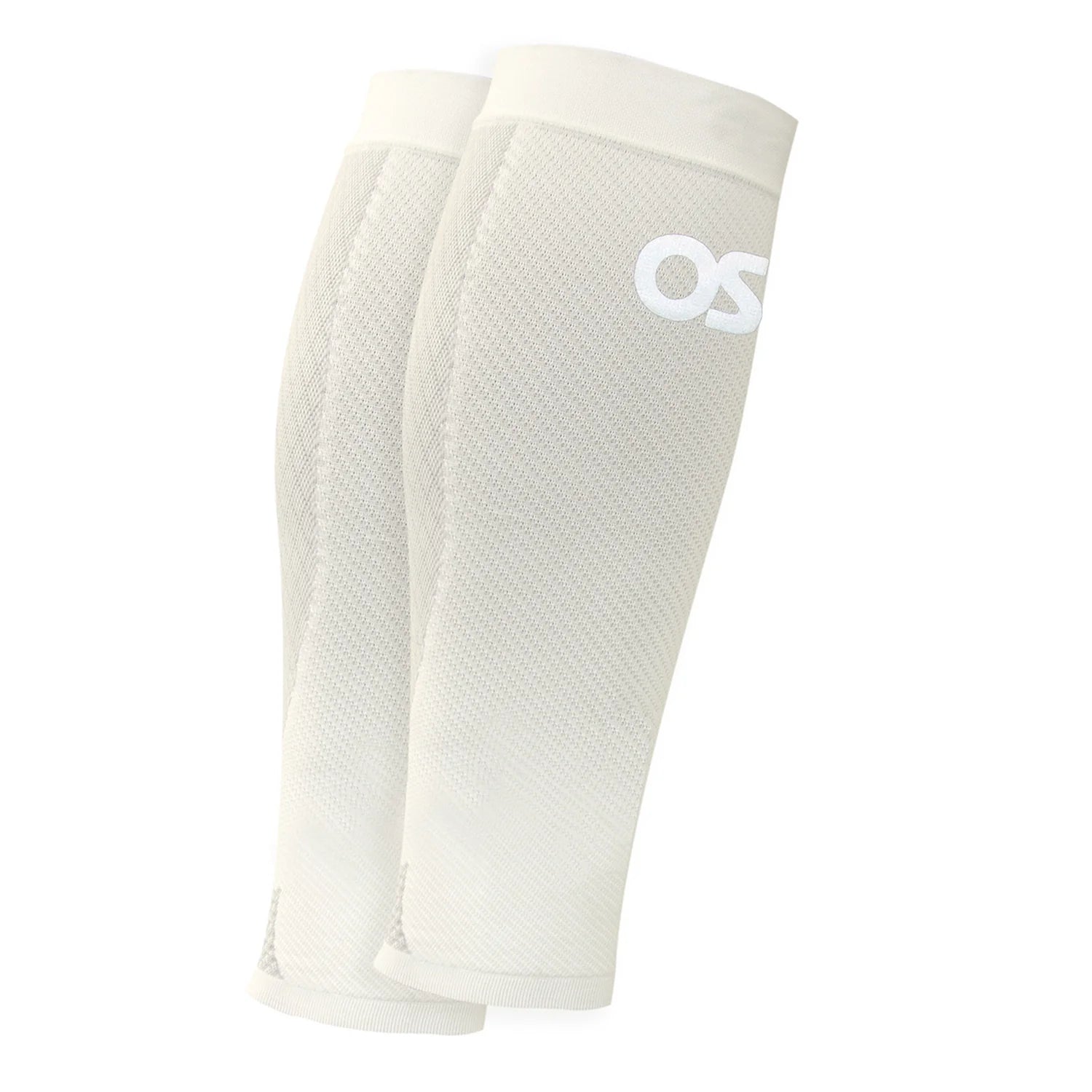
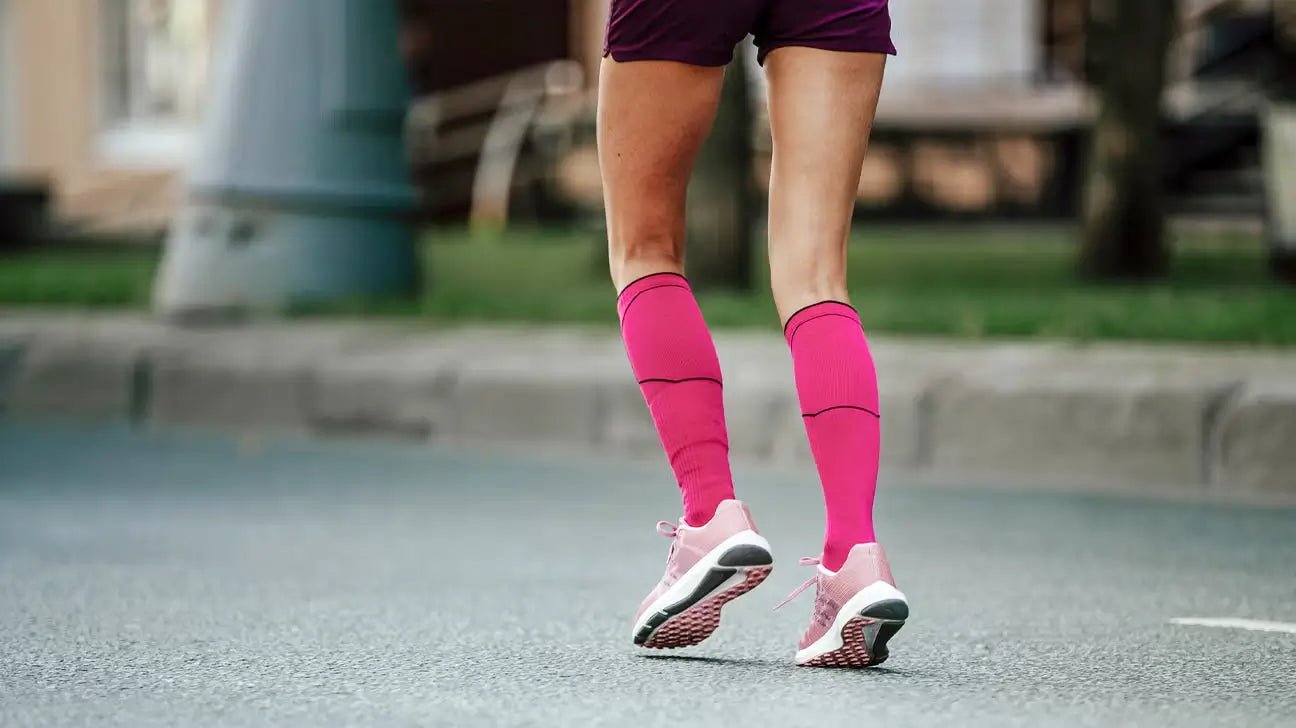
Compression stockings
Compression socks, also known as support stockings, are designed to improve blood circulation in the legs. They are used for both medical conditions and for preventive purposes, for example, during travel, sedentary work, or after surgery. By providing graduated pressure along the lower leg, they can reduce swelling, prevent blood clots, and make legs feel lighter and more energized in everyday life. Many people experience a noticeable difference in comfort and energy after only a short period of use.
Reasons to use compression socks
There are several situations where compression socks are particularly helpful. Prolonged standing or sitting can impair blood flow in the legs, leading to swelling and fatigue. Air travel also increases the risk of blood clots due to long periods of immobility. Pregnancy is another common reason as blood volume increases and veins are put under more strain. Additionally, compression socks are often recommended for varicose veins, venous insufficiency, or after surgery to promote recovery and reduce complications.
Symptoms where compression socks can help
• Swollen feet and ankles
• Heavy and tired legs
• Aching calves after a long day
• Tingling or numbness in the legs
• Varicose veins and visible vessels
• Risk of blood clots during travel or sedentary periods
• Leg discomfort during pregnancy
• Prolonged recovery after surgery or injury
Treatment with compression socks
Compression socks are used as a simple and effective treatment to improve circulation. They create pressure that is highest at the ankle and gradually decreases upwards, helping blood flow back towards the heart. This reduces swelling and the risk of blood clots. For varicose veins or venous conditions, they can relieve symptoms and improve quality of life. For people who travel frequently or have sedentary jobs, they provide both preventive effects and increased comfort. The correct compression class and size are crucial for the best results.
Preventive use and self-care
Using compression socks preventatively can reduce the risk of future problems. They are particularly valuable for people who stand or sit a lot at work, during pregnancy, or during longer journeys. Combining compression socks with regular movement, short walks, and breaks from sitting provides even better results. Elevating the legs for short periods during the day can also reduce pressure in the veins. Changing socks daily and washing them according to recommendations extends their lifespan and maintains their effectiveness.
When should I use compression socks?
Compression socks can be used both for prevention and as part of a treatment. For varicose veins, venous conditions, or pregnancy, they can be an essential part of daily life. They are also recommended after surgery or if there is an increased risk of blood clots. Many people simply use them to feel more energetic in their legs after a workday or journey. For more severe conditions or if you need higher-class compression stockings, you should consult a healthcare professional.
Recommended products
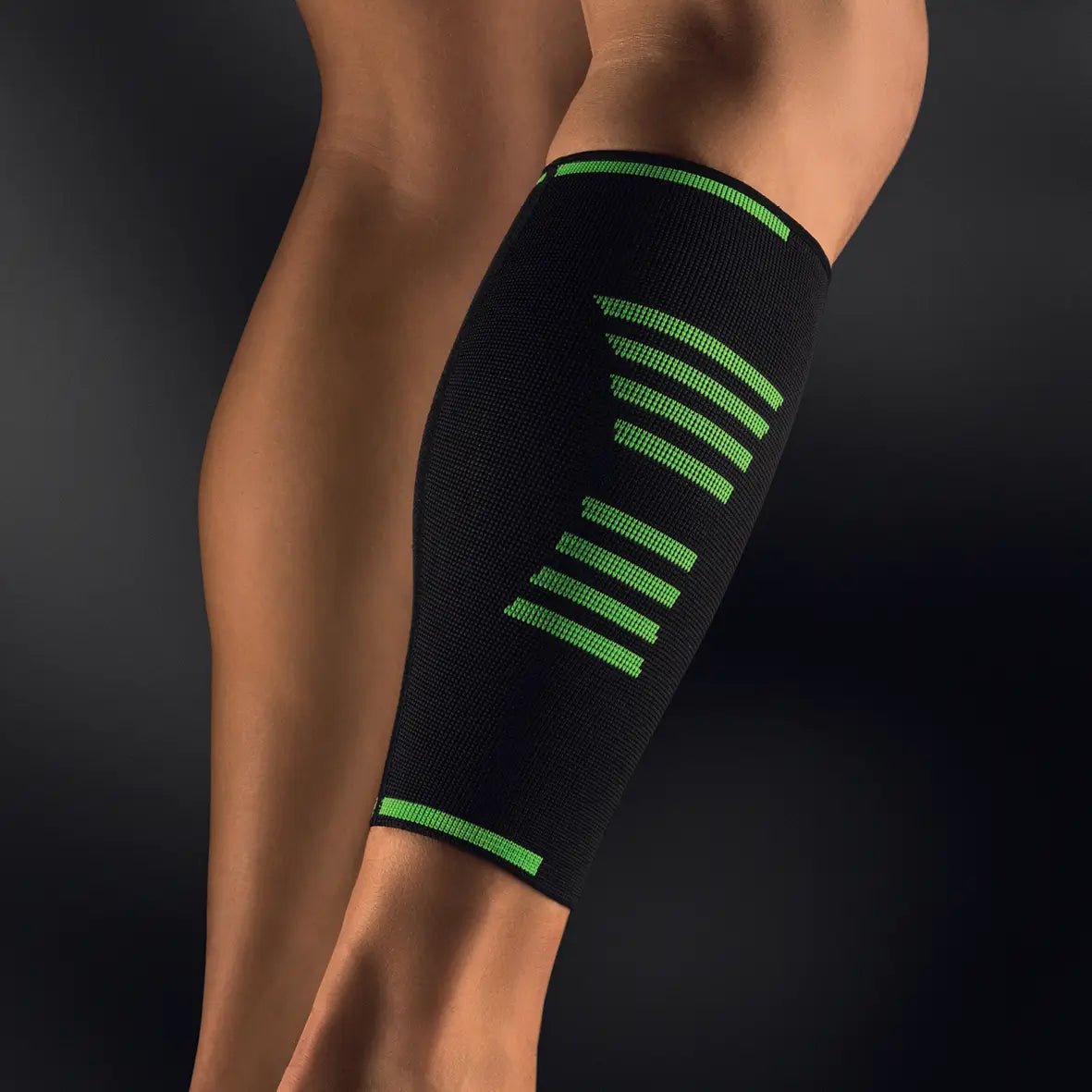
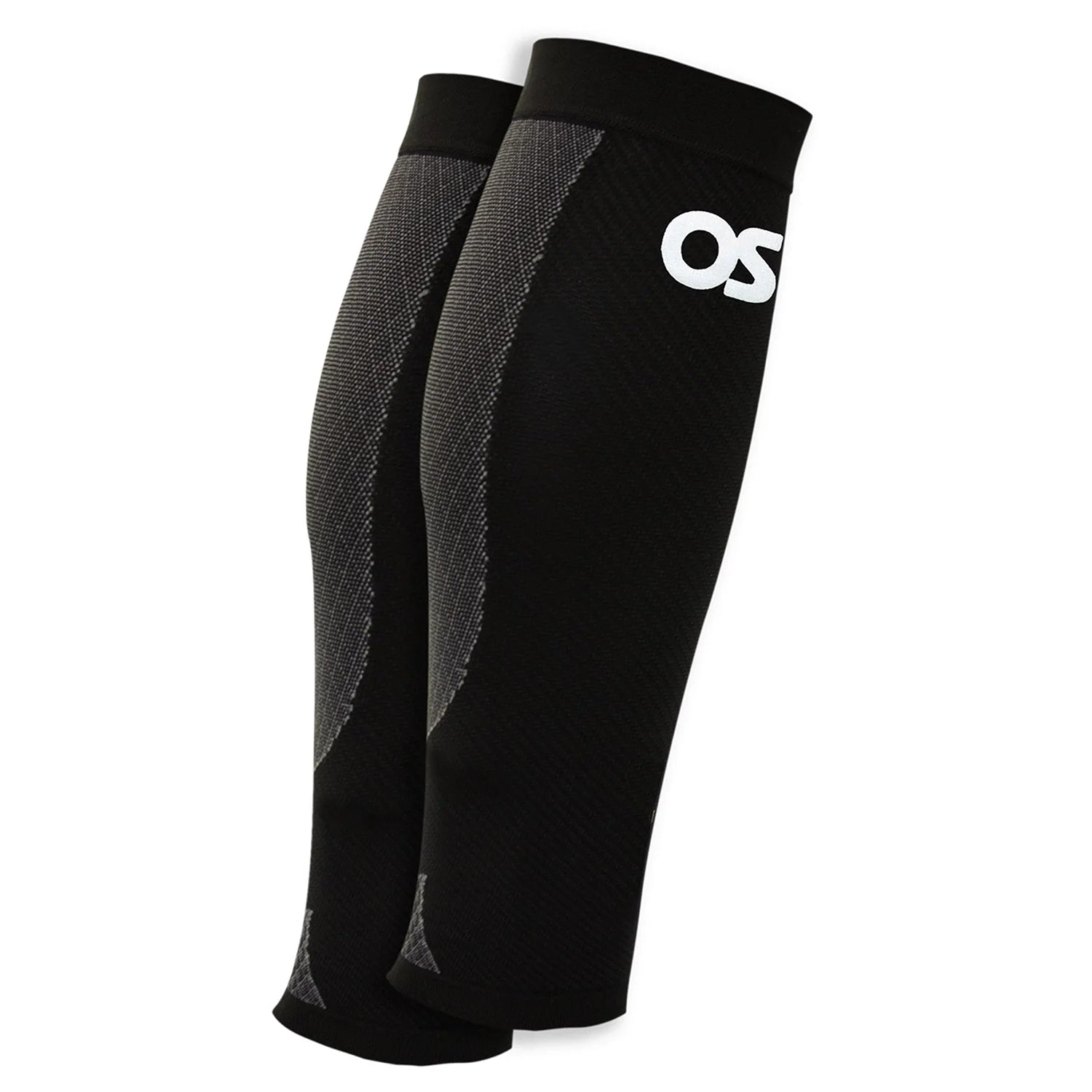
At rehcore.com, you'll find compression socks in various models adapted for different needs. Thin everyday socks made of cotton or nylon are suitable for work and travel, while sports models made of functional materials work well for training. For pregnant women, there are special models that provide extra support. Medical-grade compression socks are used for varicose veins, venous diseases, or after surgery. Choose a model based on your needs, intended use, and comfort.


Common questions about compression socks
How long can I wear compression socks?
You can wear them all day. Take them off at night to let your legs rest.
Which compression class should I choose?
For daily use, travel, and pregnancy, class 1 is usually sufficient. For more severe conditions, a higher class is recommended in consultation with healthcare professionals.
Can I exercise with compression socks?
Yes, many sports models are adapted for activity. They can provide increased stability and improved recovery.
Do compression socks help with varicose veins?
Yes, they relieve symptoms and can slow down their progression. However, they do not eliminate existing varicose veins.
Are there risks associated with compression socks?
Only if they are used in the wrong size or with too strong compression. Always choose the correct measurements for your calf and ankle.
Can I wear them in the summer?
Yes, there are thin and breathable models made of functional materials that are also suitable for warm climates.
How long do a pair of compression socks last?
With daily use, they usually last three to six months. Wash them regularly according to the instructions to maintain their effectiveness.
Can compression socks prevent blood clots?
Yes, they reduce the risk of clots during sedentary travel, after surgery, or during pregnancy by improving blood flow.