
Tennis elbow
Tennis Elbow – understanding the overuse injury

Tennis elbow most commonly occurs in people aged 35 to 55. The condition often develops gradually, without any particular event triggering the pain. You can be affected in both elbows, but it's more common to experience problems in the arm you use most.
Causes of tennis elbow
Tennis elbow often develops after prolonged or intense strain on the extensor muscles of the forearm. This can involve working with tools, repetitive lifting, or sports that require grip strength. Even small everyday tasks, such as carrying heavy grocery bags or using a mouse and keyboard for long periods, can contribute to the injury.
Common symptoms
The primary symptom is pain on the outside of the elbow, which can radiate down to the forearm. The pain often worsens with gripping and lifting, especially when the palm is turned downwards. Many also experience stiffness in the morning or after rest, and sometimes weakness in the hand can occur.
Treatment and self-care
Most people recover without surgery, but it can take several months. Resting from the most strenuous activities is important, but complete inactivity should be avoided. Relieving the strain with an elbow brace for tennis elbow can reduce pain and provide support during healing.
Pain relief can be achieved by cooling the elbow for acute discomfort or using warmth to loosen muscles. Massage and stretching can improve blood circulation and accelerate recovery.
Ergonomics and relief
When working at a computer, it is important that the forearm is supported and that the mouse and keyboard are used in a neutral position. Changing working posture frequently and avoiding repetitive movements reduces the risk of recurring problems. For those doing physical work, a supportive elbow brace or an elastic support band can be very helpful.
What can I do myself?
To relieve the discomfort, you can:
- Rest your arm from movements that cause pain.
- Take several short breaks when using your arm.
- Try to use movements and positions that do not overstrain your body.
- Use your arm as normally as possible to maintain blood circulation.
- Exercise the muscles in your arm daily.
- Cool the outside of your elbow with ice to relieve pain.
It is important to start exercising the arm as soon as you can to speed up recovery. You can get an exercise program from a physiotherapist or occupational therapist.
Exercises for tennis elbow
The following exercises can strengthen forearm muscles and reduce recurring problems:
- Wrist Extension – Extend your arm with your palm down, gently bend your wrist downwards, and assist with your other hand. Hold for 20 seconds, repeat three times per arm.
- Eccentric Wrist Training – Hold a light dumbbell or water bottle with your palm down, bend your wrist upwards, and slowly lower it. Repeat 10–15 times.
- Grip Training – Squeeze a soft ball for 5 seconds and release. Repeat 10–15 times.
- Forearm Rotation – Hold a hammer or stick and slowly rotate from palm up to palm down. Repeat 10 times.
When should you seek care?
If symptoms persist or worsen despite self-care, you should contact a physiotherapist, occupational therapist, or doctor. They can help with diagnosis and develop an individualized treatment plan.
Our recommended products for tennis elbow
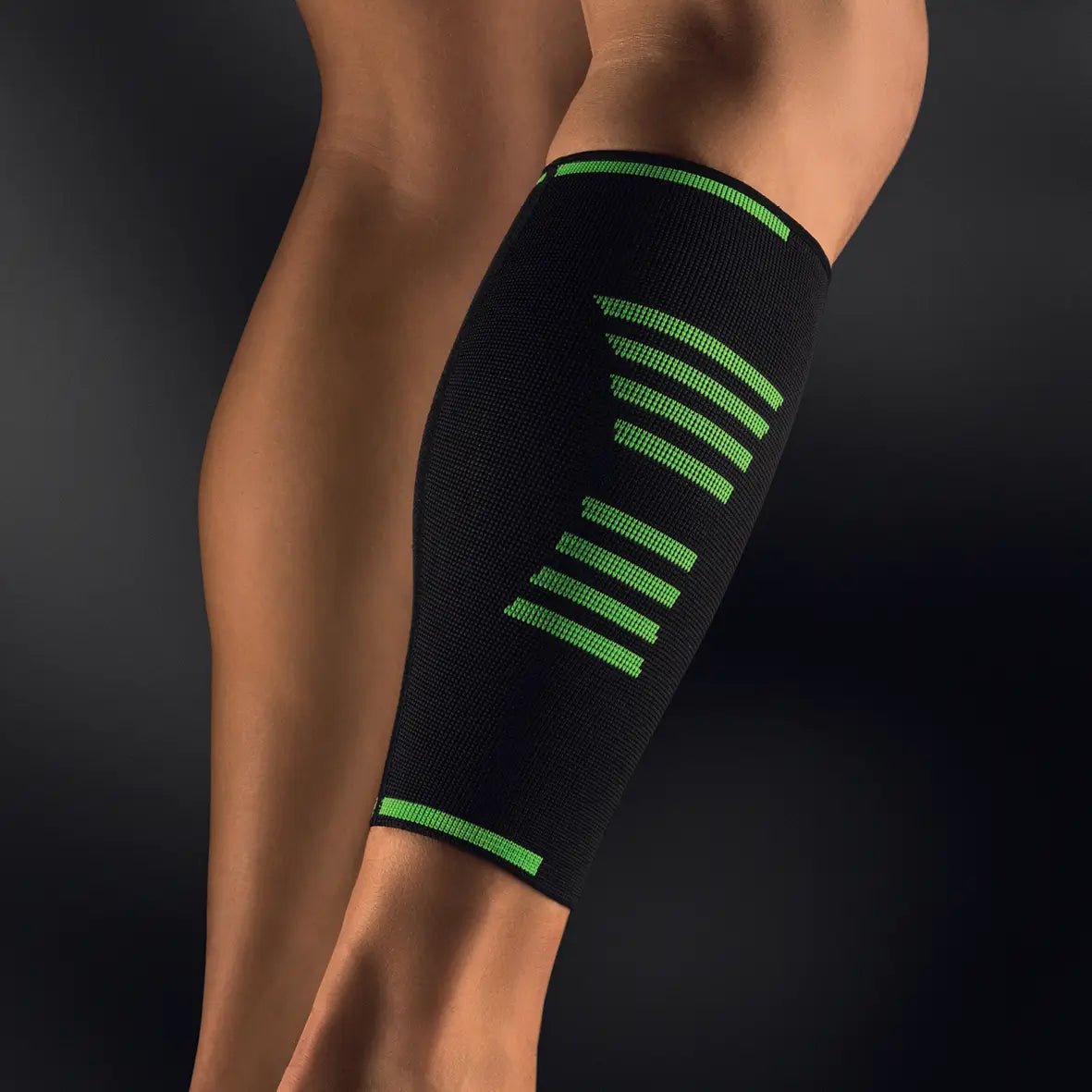
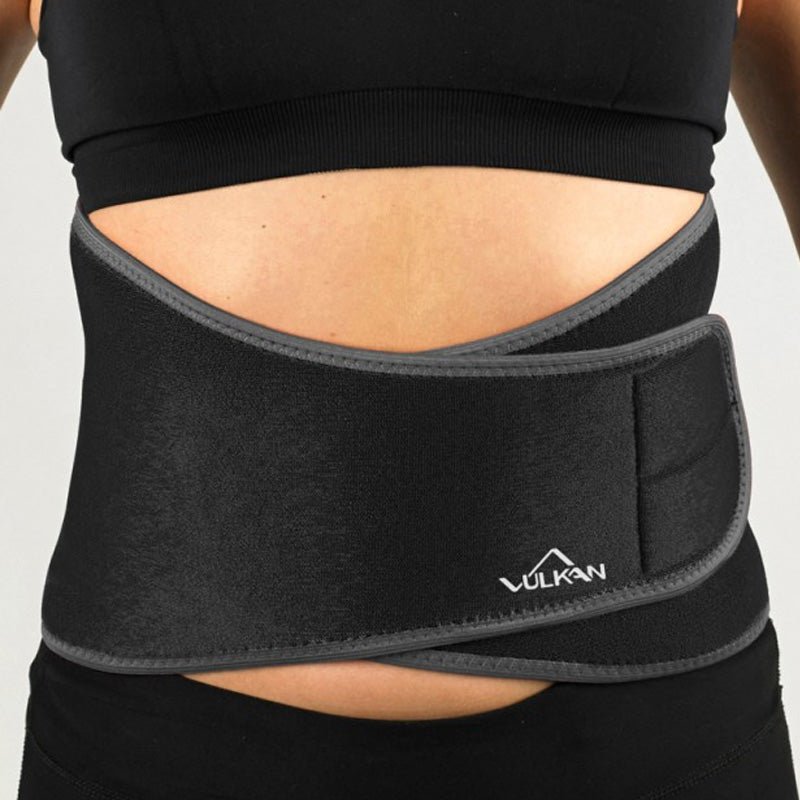
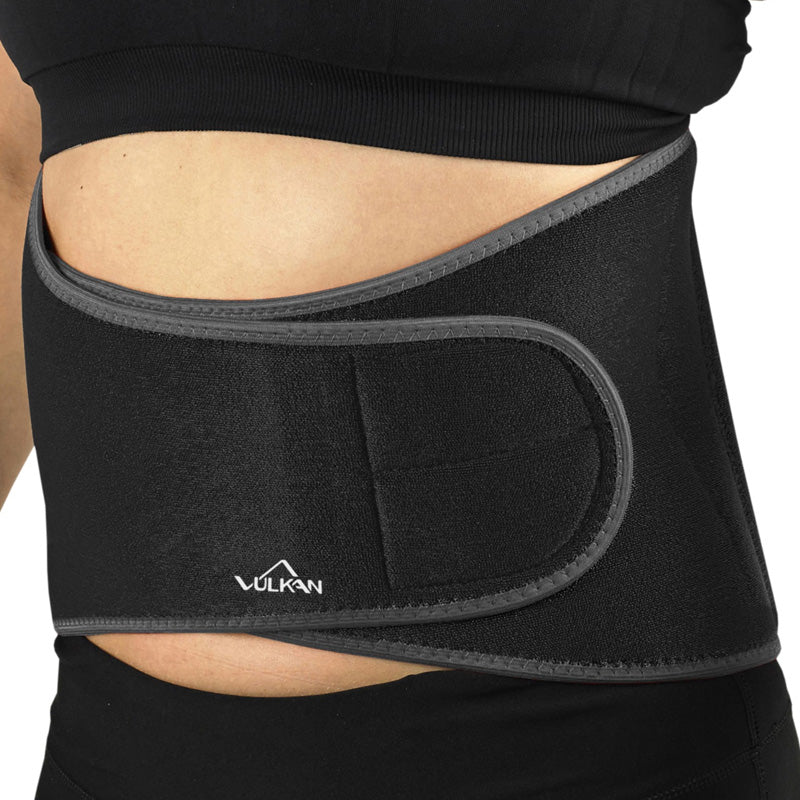
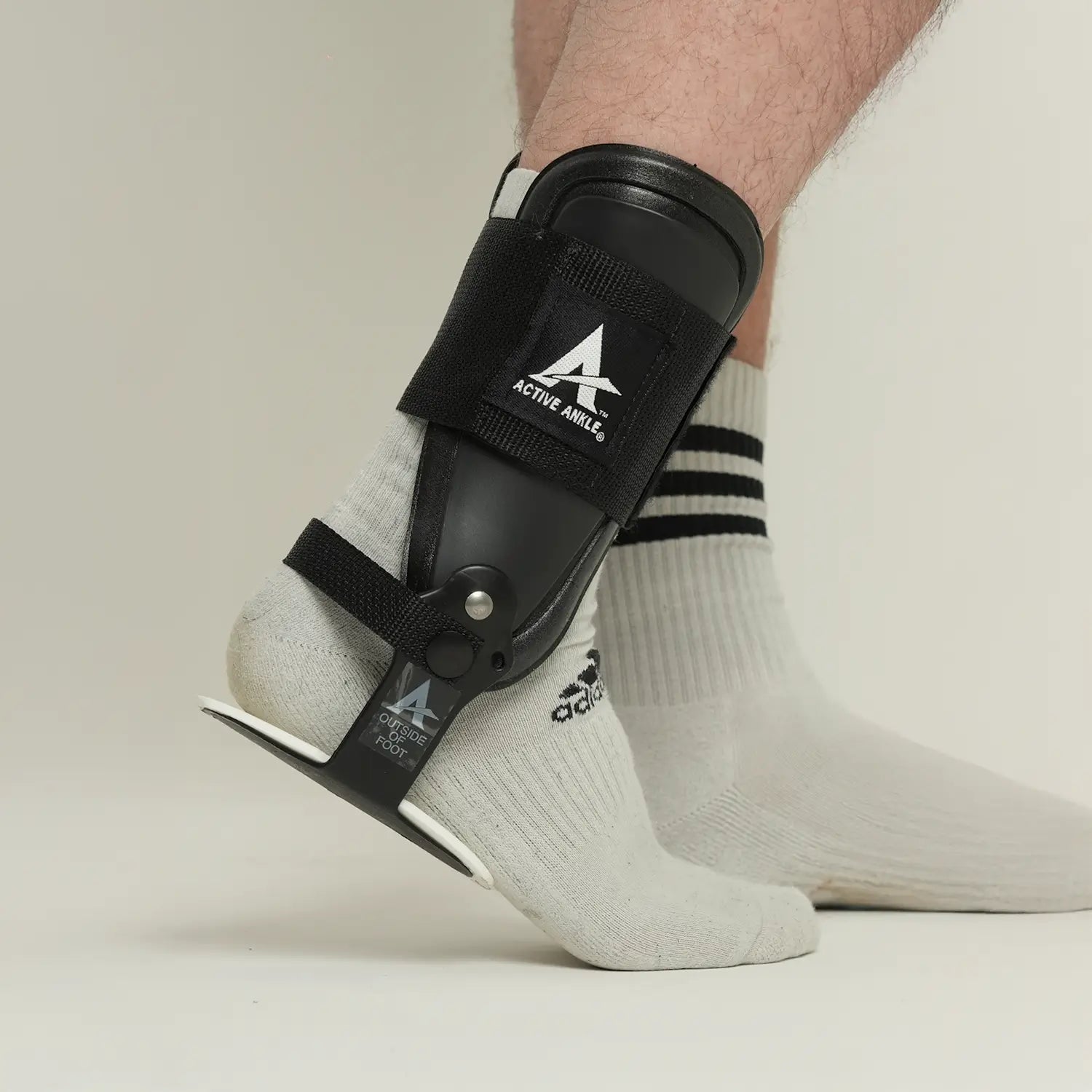
A supportive elbow brace provides support and reduces pain during activity. For those who work at a computer, ergonomic aids such as wrist rests and vertical mice can reduce the risk of overuse. An elastic support band can be used during sports and training to relieve strain on the tendons.


What causes tennis elbow?
Repetitive strain on the extensor muscles of the forearm, often during work or sports.
How long do the symptoms last?
Often a few months, but can last longer if the cause is not addressed.
Is rest the best treatment for tennis elbow?
Resting from strenuous activities is good, but avoid complete inactivity.
Can exercise help?
Yes, the right exercises strengthen muscles and reduce the risk of recurrence.
Is an elbow brace effective?
Yes, it provides relief and reduces pain during activity.
Can you work with tennis elbow?
Yes, but tasks may need to be adapted.
How do I know if it's tennis elbow and not golfer's elbow?
Tennis elbow causes pain on the outside of the elbow, golfer's elbow on the inside.
When should I seek medical care?
If the pain is persistent despite self-care or if arm function deteriorates.
Image by BruceBlaus - Own work, CC BY-SA 4.0, Link