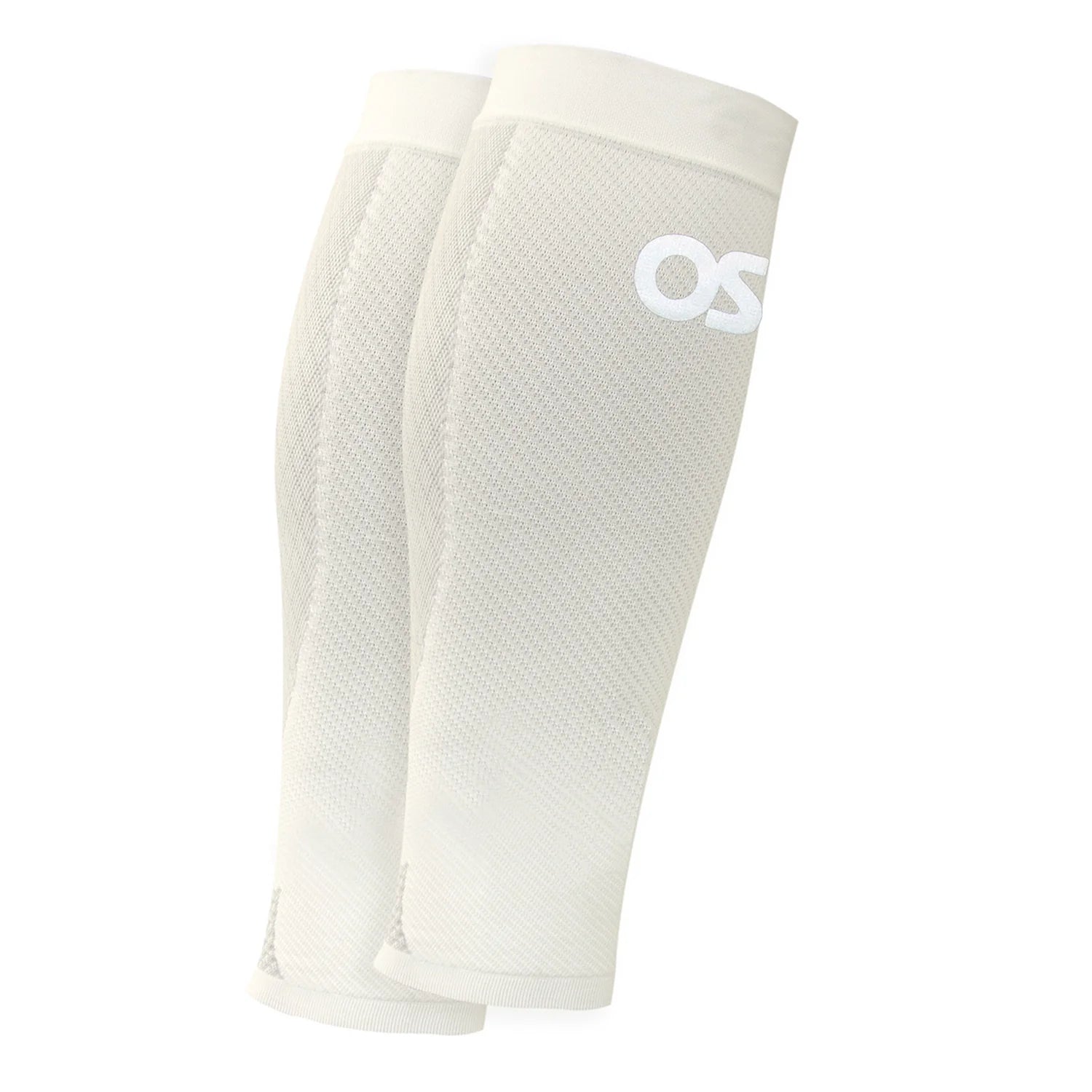
Ankle protection

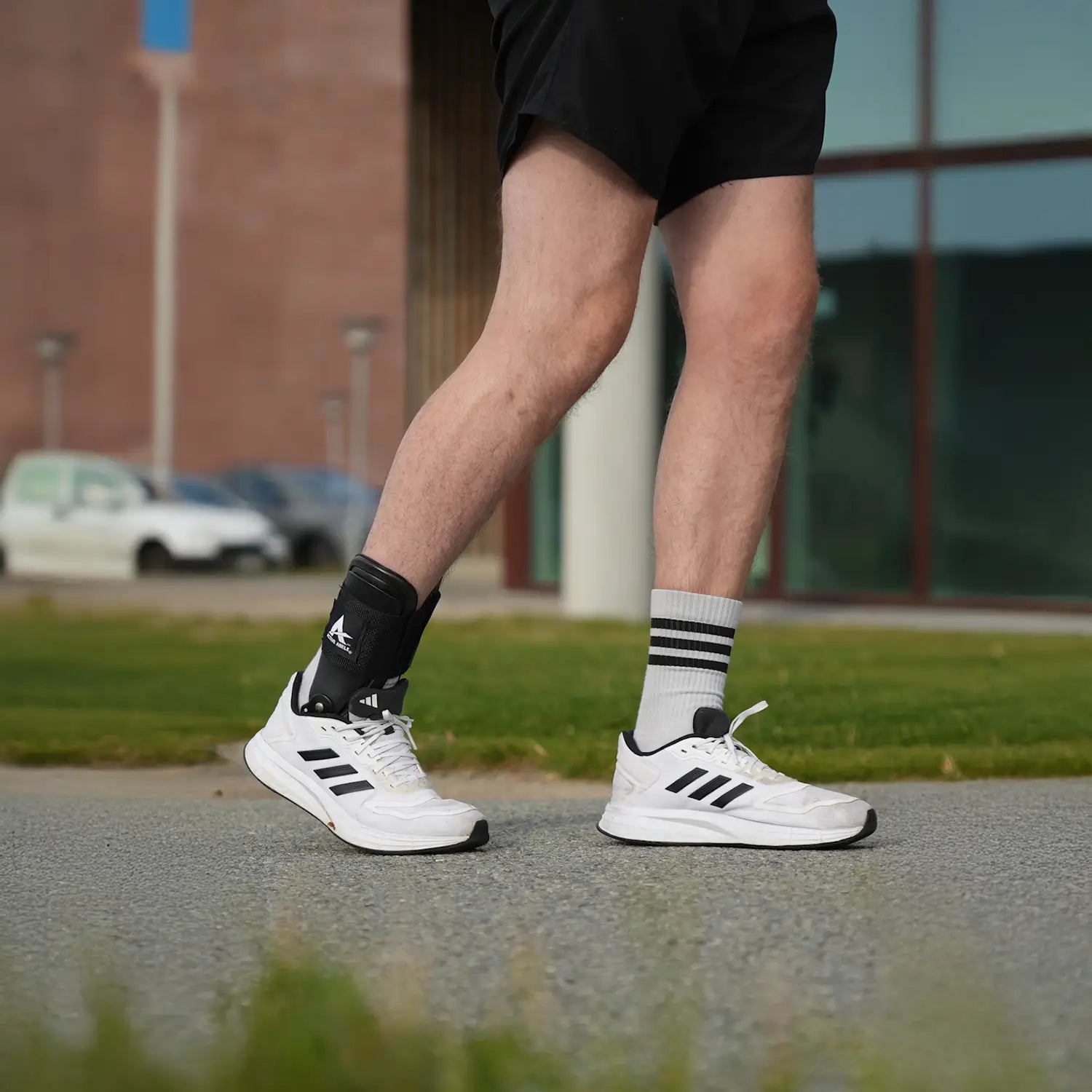
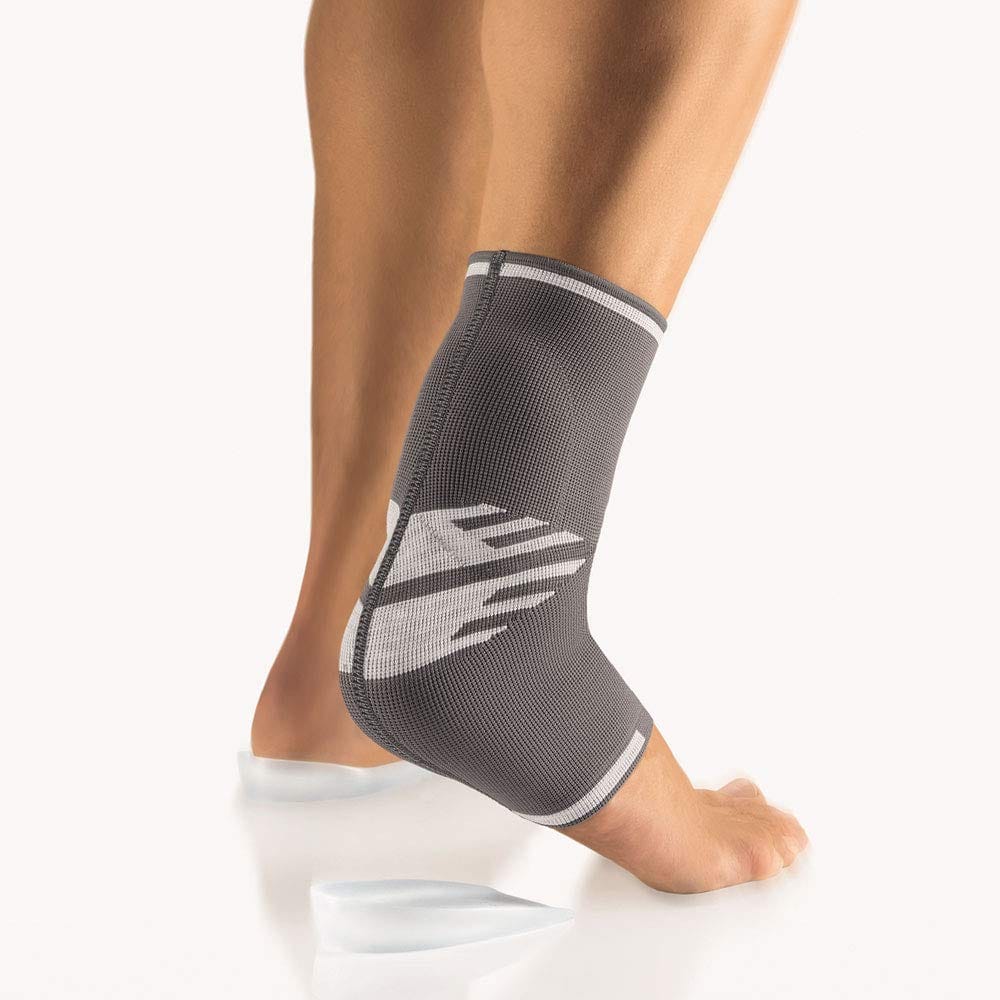
The ankle joint is exposed to a lot of stress every day, especially during movement, exercise or after previous injuries. Therefore, it is important to give the joint the right support to reduce the risk of new sprains and relieve existing pain. An ankle brace provides stability and compression that improves circulation and reduces swelling.

Availability

Price

Clear All
Apply
Filter
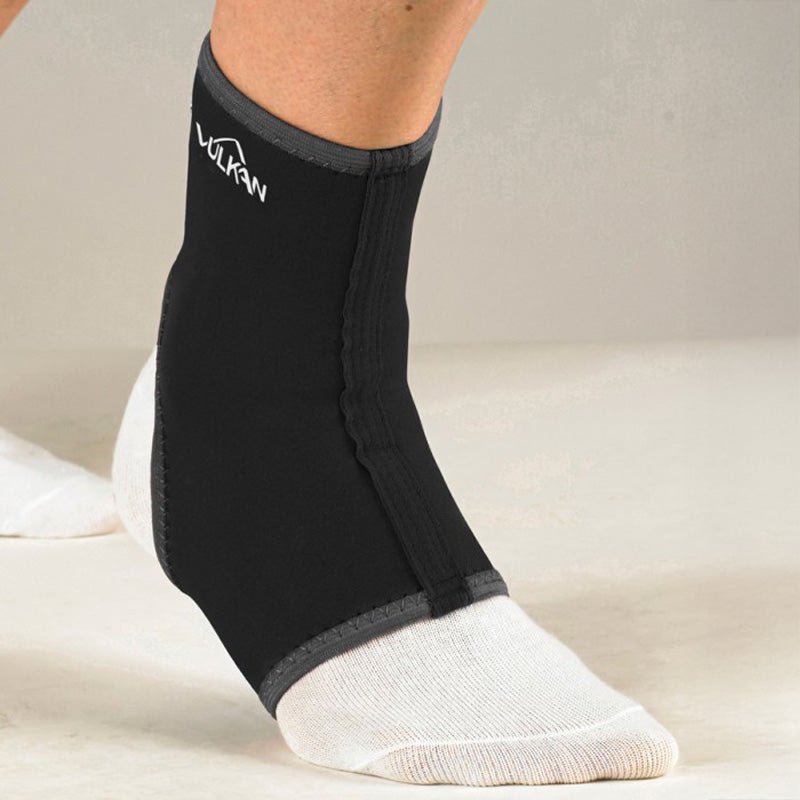
Vulkan fotledsstöd ankel lång - Rehcore AB
Vulkan Ankle Support Long
Regular price 199 kr
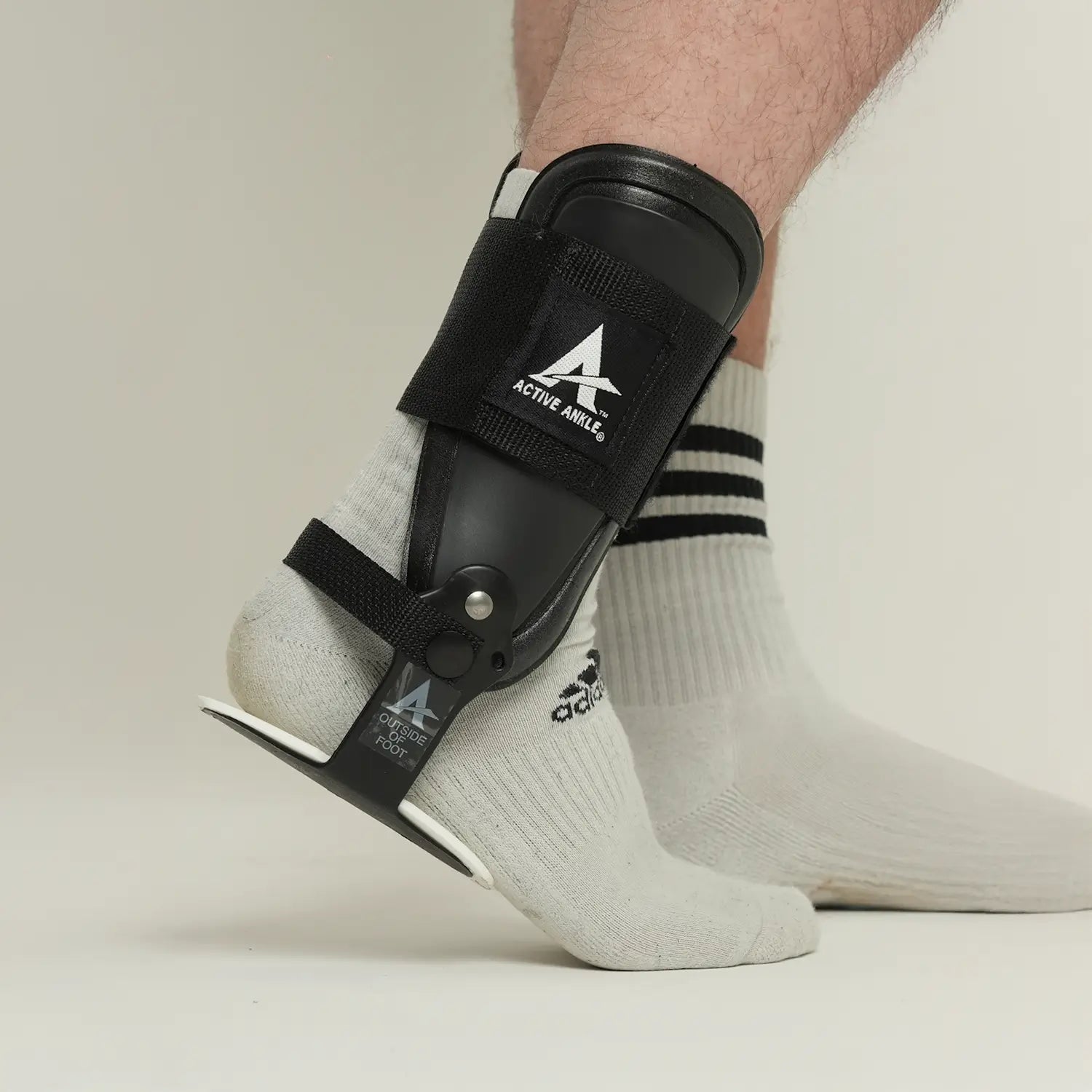
Active ankle T2 Fotledsstöd - Rehcore AB
Active ankle T2 Ankle support
Regular price 799 kr
Activemed akilles Ankelstöd - Rehcore AB
Activemed Achilles Ankle Support
Regular price 499 kr
Activemed vriststöd - Rehcore AB
Activemed Ankle Support
Regular price 349 kr
Bort Talostabil Sport Fotstöd - Rehcore AB
Bort Talostabil Sport Footrest
Regular price 459 kr
Bort Generation Vriststöd - Rehcore AB
Bort Generation Ankle Support
Regular price 409 kr
Refit Exceed Lacer Ankelstöd - Rehcore AB
Refit Exceed Ankle Brace Lacer
Regular price 499 kr

Cause of Ankle Discomfort

Ankle discomfort often arises after sprains, overuse, or a rapid increase in activity. Uneven surfaces and fatigued stabilizing muscles can make the joint unstable. Previous injuries increase the risk of recurring problems.

Symptoms of Ankle Problems

Common symptoms include pain around the ankle, swelling, and a feeling of instability. Pain can occur during push-off, landing, and quick sideways movements. Stiffness in the morning or after rest is also common.

Treatment with Ankle Support

An ankle support stabilizes the joint and reduces movements that provoke pain. Elastic models provide compression and warmth. More stable supports with straps or splints restrict incorrect movements and can speed up the return to activity.

Exercise Advice for Ankle Discomfort

Combine ankle support with mobility, strength, and balance training. Stand on one leg and add small challenges for foot control. Do calf raises and light jumps when pain allows. Gradually increase the load and choose shoes with good support.

See all ankle supports here and compare models for everyday use, training, and recovery.

Frequently Asked Questions about Ankle Supports

When should I start using an ankle support?
Use an ankle support if you experience pain, swelling, or a feeling of instability. It provides support immediately after an injury and during the escalation of activity.
What type of ankle support is right for me?
Elastic supports provide compression and warmth. A strap- or splint-reinforced model offers more stability for recurring sprains.
How do I choose the right size and fit?
Measure around the ankle where the support will sit. The support should fit snugly without causing numbness, and go into the shoe without creasing.
Can I use ankle supports with my regular shoes?
Yes, most ankle supports work with training and everyday shoes. Re-lace your shoe so that your foot fits and feels stable.
Are ankle supports suitable for sports and running?
Yes, choose a lightweight model for running and a more stable one for sports with quick changes of direction. Test it at home before your session.
How quickly will I notice the effect of an ankle support?
Many people feel support and security immediately. Lasting improvement often comes after a few weeks of training and gradual loading.
Where can I find all models of ankle supports?
Here you will find several options for different needs. See all ankle supports and compare support and function.
How do I wash my ankle support?
Hand wash in lukewarm water with mild soap. Rinse thoroughly and allow to air dry completely before next use.